Introduction
Bowel treatment monitoring is a crucial aspect of medical care, especially for individuals with intricate needs. With the increasing prevalence of conditions requiring bowel treatment, it ends up being critical to use efficient approaches that make sure patient comfort and self-respect. This guide checks out numerous strategies to bowel care management, concentrating on NDIS complex bowel care training, stoma care, and various other relevant instructional resources. In doing so, we aim to empower caretakers and medical care experts in providing superior assistance for patients.
Bowel Treatment Monitoring: Methods for Effective Person Support
Bowel treatment administration encompasses a variety of practices focused on advertising digestion health and handling bowel feature. Efficient person assistance not only reduces pain yet likewise improves the overall quality of life for those influenced by bowel-related concerns. Right here, we explore different methods that can be implemented to maximize digestive tract care.
Understanding Digestive tract Treatment Management
Bowel care monitoring involves several key parts:
Assessment: Understanding the client's particular needs. Education: Educating caregivers and people on best practices. Intervention: Executing ideal therapy plans. Support: Providing psychological and psychological backing.These aspects jointly produce an alternative approach to handling complex bowel problems effectively.
The Role of NDIS in Complex Bowel Care Training
What is NDIS?
The National Disability stoma care Insurance policy System (NDIS) plays a pivotal function in supporting individuals with specials needs, including those requiring complex bowel care. The plan supplies funding for needed solutions that accommodate these unique needs.
NDIS Complex Bowel Care Training Programs
Through customized programs like the complex digestive tract care training, caregivers are furnished with necessary skills. This training covers different facets, such as:
- Recognizing signs of complications Understanding dietary requirements Employing correct hygiene techniques
Investing time in NDIS complex bowel care training can substantially improve the capability of caregivers to manage individuals' demands effectively.
Stoma Care Training for Carers: An Overview
What is a Stoma?
A stoma is a surgically created opening up that connects an inner body organ to the outdoors, often demanded by problems such as colon cancer or inflammatory bowel disease.
Importance of Stoma Care Training
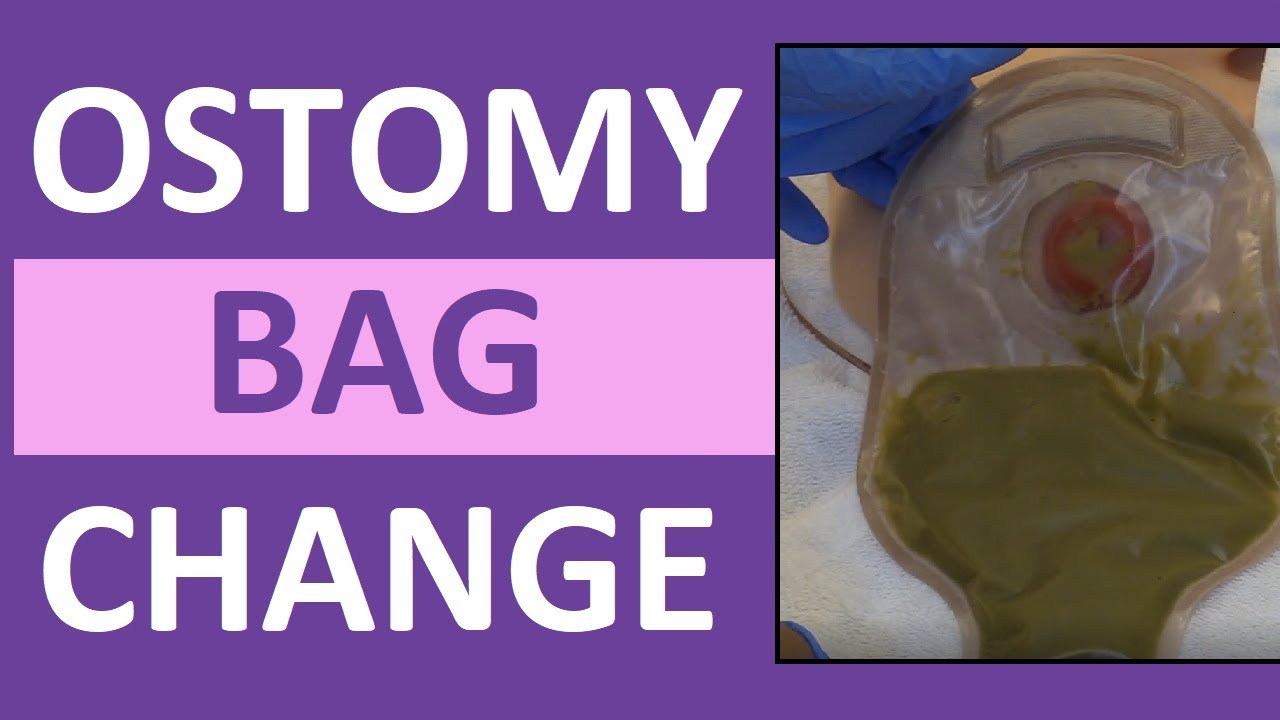
Stoma treatment training is vital for ensuring that caregivers can appropriately sustain clients who have gone through ostomy procedures. Key components consist of:
- Understanding the various sorts of stomas Learning exactly how to transform and preserve stoma bags Managing skin integrity around the stoma site
With correct stoma care training, caretakers can cultivate a feeling of freedom in their individuals while lessening discomfort.
Complex Bowel Treatment Program: What You Required to Know
Understanding Complex Bowel Care Courses
Complex bowel care courses offer in-depth understanding about managing advanced digestive tract conditions. These programs are customized for healthcare specialists and family members caregivers alike.
Course Web content Overview
Typical course content includes:
Anatomy and physiology pertaining to digestion Common problems impacting bowel feature Techniques for risk-free administration of medications Dietary referrals tailored for details conditionsSuch organized discovering not just gears up participants with academic understanding yet also functional abilities necessary in real-world scenarios.
Effective Techniques in Bowel Treatment Management
Dietary Interventions
One fundamental aspect of handling bowel health involves dietary choices:
- Increasing fiber intake can promote regularity. Staying hydrated aids digestion.
Creating tailored meal strategies based on private person demands can cause significant improvements in symptoms.
Physical Activity Recommendations
Encouraging physical activity promotes digestive tract mobility and total well-being:
- Gentle exercises such as walking or yoga can boost digestion health.
Incorporating movement right into daily regimens cultivates far better results for individuals taking care of constipation or other gastrointestinal issues.
Emotional Support: An Essential Aspect in Digestive Tract Treatment Management
Why Emotional Health Matters?
Living with an intricate bowel condition can take a psychological toll on individuals. Providing emotional assistance is just as important as resolving physical symptoms.
Strategies for Giving Emotional Support
Here are some efficient strategies to consider:
Active listening: Enable people to share their feelings without judgment. Encouragement: Provide favorable support regarding development made. Counselling recommendations: Suggest expert assistance if needed.Addressing psychological wellness enhances physical treatments effectively, bring about all natural person support.
Creating a Safe Setting for Clients with Complicated Bowel Needs
Home Modifications
Making easy modifications at home can significantly enhance comfort degrees:
- Installing grab bars near toilets Ensuring simple access to required supplies
Such adjustments show consideration and enhance patient autonomy during their everyday routines.

Professional Assistance Networks
Building strong relationships with doctor makes certain ongoing support:
Regular check-ins with gastroenterologists Collaboration with dietitiansEstablishing this network supplies reassurance and boosts adherence to therapy plans.
Monitoring Progress: Just how Do We Gauge Success?
Evaluating the performance of any type of treatment is important in assessing success rates:
Tracking sign changes over time Patient fulfillment surveysRegular analyses allow caretakers and doctor to adjust approaches as necessary, making sure ideal end results are achieved.
FAQs on Bowel Treatment Management
What credentials must I search for when seeking stoma care training?- Look for recognized programs that provide thorough education and learning on ostomy administration with useful training included.
- Ideally, you must transform your ostomy bag every 3-- 7 days or when it becomes full or leaks.
- Foods that may trigger gas or clog must be prevented at first; consult your dietitian regarding particular recommendations.
- Yes! Normal exercise can boost digestion and reduce bowel irregularity signs significantly.
- Yes, NDIS provides access to psychological health and wellness services which can assist people coping with the emotional effect of chronic conditions like those calling for facility bowel management.
- Online programs, local workshops, and webinars provided by reputable medical organizations serve as outstanding resources for continual knowing in this field.
Conclusion
Bowel care monitoring is multifaceted, needing a mix of education, useful abilities, psychological support, and area sources to achieve reliable person results regularly. By making use of programs like NDIS complex bowel care training and engaging in specialized training courses concentrated on stoma and complex digestive tract concerns, caregivers can considerably boost their capacity to offer proficient support while cultivating freedom amongst patients.
As extra individuals navigate their journeys entailing ostomies or various other substantial intestinal challenges, embracing these approaches will be very useful in making sure dignity and quality of life remain extremely important throughout their experiences.
In summary, understanding Bowel Care Monitoring: Techniques for Reliable Person Support integrates not only technological knowledge yet also compassion toward those undergoing difficult health and wellness shifts-- essentially transforming lives with educated caregiving practices.
Note: While this write-up aims at covering all facets adequately within each heading/subheading contextually related back in the direction of "Bowel Care Management," further discussion may be essential depending on developing standards within healthcare techniques pertaining to continuous growths surrounding therapies connected therein (like developments seen through research study collaborations impacting more recent modalities).